Lifestyle

A bottle of Cabernet Sauvignon can tell you a great deal about where its grapes were grown. California Central Coast Cabernet Sauvignon is shaped by a landscape of sunny inland hills, cooling Pacific air, varied elevations, and distinctive soils. Those natural conditions influence how fully the fruit ripens, how much freshness the wine retains, and how its tannins feel in the glass.
For wine shoppers, understanding the region makes it easier to choose a Cabernet with the balance of ripe fruit, structure, and approachability they enjoy. Paso Robles, part of California’s expansive Central Coast, offers a vivid example. Here, Cabernet can develop generous dark-fruit character while cool nights help preserve the acidity that keeps every sip lively.
What Is the California Central Coast Wine Region?
California’s Central Coast is not one uniform stretch of vineyard land. It includes a broad collection of valleys, hills, mountain gaps, and coastal-influenced growing areas. Distance from the Pacific, elevation, slope, and exposure can change significantly from one vineyard to another. That diversity gives winemakers the opportunity to grow many grape varieties and to create wines with a strong sense of place.
Paso Robles sits within this larger region and is especially well known for Cabernet Sauvignon and other red varieties. Its inland vineyards receive ample sunlight, yet openings in the coastal ranges allow cooler marine air to move inland. The contrast between daytime warmth and nighttime cooling is central to the character of the wines. To explore the area beyond Cabernet, read our guide to Highlands 41 wines.
Warm Days Build Flavor
Cabernet Sauvignon is a late-ripening grape that benefits from a long, sunny growing season. Warm Central Coast days help the berries develop color, flavor, and tannin maturity. In the glass, that often translates to notes of blackberry, black cherry, plum, and black currant rather than lean or underripe flavors.
Sunshine alone does not create balance. If grapes ripen too quickly, a wine can lose freshness before its flavors and tannins fully develop. Vineyard location and harvest timing therefore matter. Paso Robles growers can use the region’s varied elevations, exposures, and microclimates to guide Cabernet toward richness without sacrificing definition.
Cool Nights Preserve Freshness
One of Paso Robles’ most important features is its diurnal temperature shift, the difference between warm daytime and cool nighttime temperatures. Evening breezes and cooler nights slow the ripening process and help grapes retain natural acidity. That acidity gives Cabernet energy and helps balance its ripe fruit and firm structure.
This push and pull between heat and cooling is why a Central Coast Cabernet Sauvignon can feel both bold and composed. The fruit is expressive, but the wine still has enough freshness to work at the dinner table. Highlands 41’s vineyards in the Creston District reflect this dynamic setting of rolling hills and varied microclimates. Learn more about how the winery connects its wines to the landscape in the Highlands 41 story.
Soil and Elevation Add Character
Climate tells only part of the story. Soil affects drainage, water availability, and vine growth, while elevation changes sunlight exposure, airflow, and temperature. Paso Robles is known for a complex patchwork of soils, including limestone-rich and clay-based sites. Well-drained slopes can encourage vines to grow smaller berries with concentrated flavor and substantial skin-to-juice ratio.
In the Creston Highlands, elevation, sun, and soil work together to produce wines that are expressive yet grounded. Vineyard care is equally important because healthy soils and thoughtful water management support the land over time. Highlands 41’s estate vineyards and winery are Certified Sustainable by the California Sustainable Winegrowing Alliance. Our guide to sustainable Paso Robles wines explains how responsible farming and wine quality can move in the same direction.
How Central Coast Cabernet Sauvignon Tastes
Every producer and vintage is different, but Cabernet from warmer Central Coast sites often combines ripe dark fruit with savory complexity and a structured finish. Common characteristics include:
- Blackberry, black currant, dark cherry, or plum flavors
- Peppercorn, cedar, mocha, cocoa, or subtle baking-spice notes
- Firm tannins that provide shape without overwhelming the fruit
- Balanced acidity that keeps a full-bodied wine feeling fresh
- Oak-derived accents such as toast or vanilla, depending on winemaking
These qualities make the category appealing to longtime Cabernet drinkers while remaining welcoming to people exploring California wine. For a closer look at how a varietal Cabernet differs from a blend, see Highlands 41 Red Blend vs. Cabernet.
Meet Highlands 41 Cabernet Sauvignon
Highlands 41 Cabernet Sauvignon is crafted with 100% estate-grown Paso Robles fruit. Warm sunlight and cool ocean breezes help shape deep notes of dark berries, peppercorn, and plum, followed by smooth tannins, balanced acidity, and lingering richness. It is full-bodied and expressive, but it is also made for real meals and relaxed occasions rather than ceremony.
That balance reflects the Highlands 41 point of view: wine should bring a sense of California adventure to the table without making the moment complicated. Pour it after a day on the trail, open it for a backyard dinner, or share it with friends around the fire. The wine has enough depth for Cabernet enthusiasts and enough polish for anyone ready to explore the variety.
What to Pair with Central Coast Cabernet
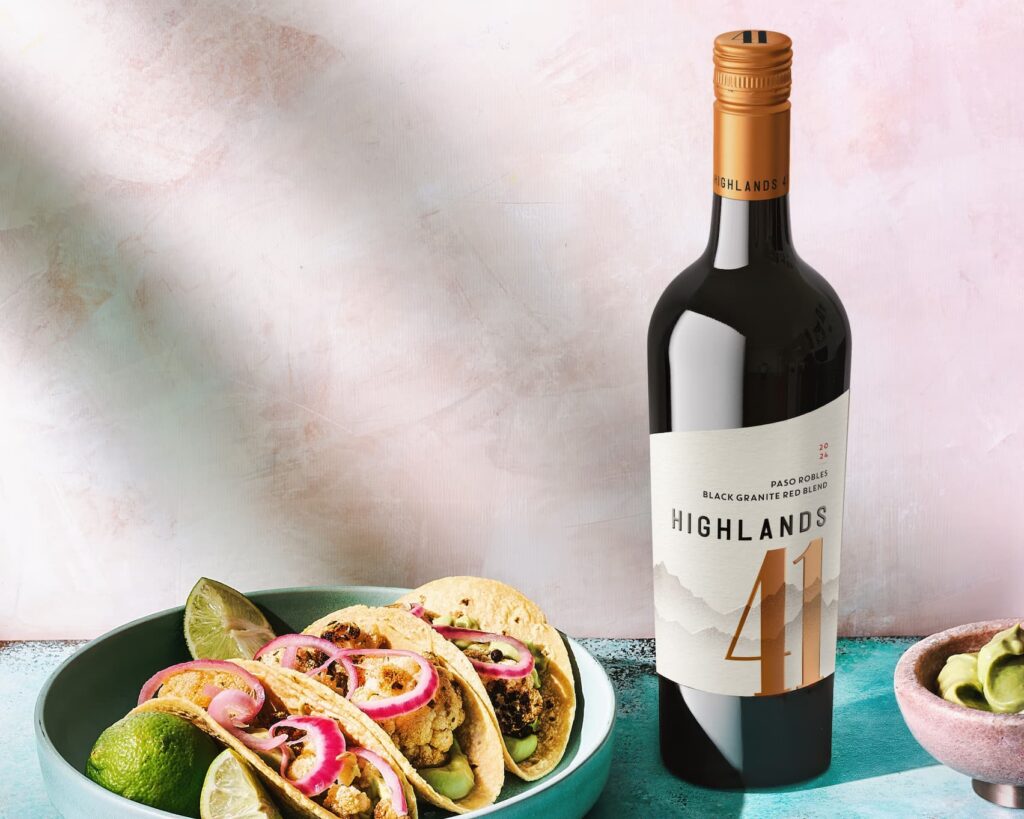
Cabernet’s dark fruit, tannin, and acidity make it a natural partner for foods with savory flavor and satisfying texture. Classic choices include grilled steak, braised short ribs, roasted lamb, aged cheeses, and mushroom risotto. Highlands 41 Cabernet also invites less expected pairings such as grilled tuna, vegetable lasagna, turkey burgers, and carne asada tacos.
The best pairing does not need to be elaborate. Look for browned or grilled flavors, herbs, mushrooms, tomato-based sauces, or a little fat to soften the wine’s tannins. Even a simple burger or charcuterie board can turn a weeknight bottle into an occasion. For seasonal inspiration, explore our guide to Paso Robles red wine in winter.
Why the Region on the Label Matters
A regional name is more than a point on a map. It offers clues about the growing conditions behind the wine. With California Central Coast Cabernet Sauvignon, the combination of sunshine, cooling coastal influence, elevation, and varied soils helps explain the style in the bottle. Paso Robles adds its own signature through warm inland days, dramatic nighttime cooling, and a landscape that rewards attentive farming.
Understanding those factors makes shopping more useful and tasting more rewarding. Instead of choosing Cabernet by grape variety alone, you can consider how the place shapes fruit, freshness, tannin, and food-pairing potential. Highlands 41 Cabernet Sauvignon captures that connection in a wine built for discovery, whether your next adventure leads across Highway 41 or simply to the table at home.