Lifestyle

If you have ever picked up a bottle, read the back label, and seen the words fruit forward, you are not alone in wondering what that actually means. Some people assume it means sweet. Others think it means bold. Many just take it as a vague compliment and hope for the best.
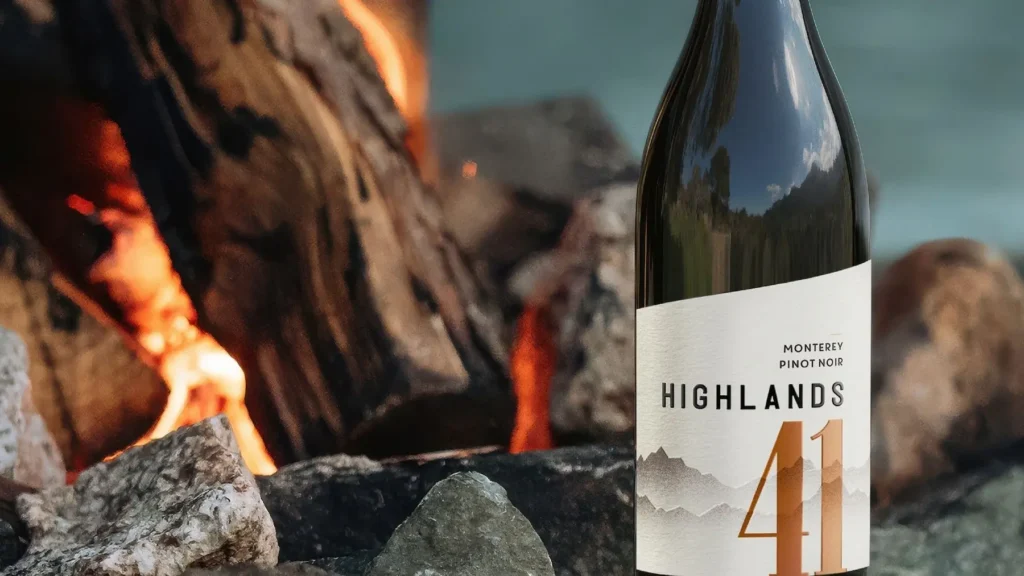
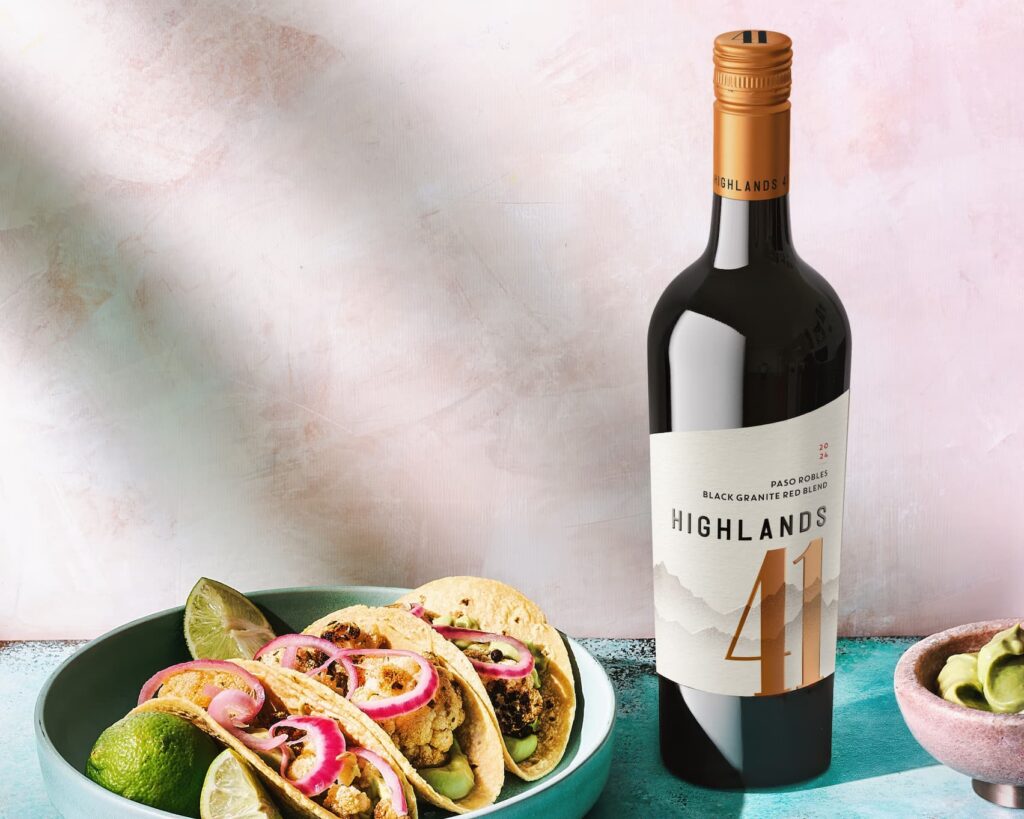
In reality, fruit forward red wine has a clear, useful meaning once you know what to look for. It describes wines where fruit flavors take center stage, where the first sip feels vibrant, smooth, and easy to enjoy. This post breaks it down in plain language, explains what fruit forward is and what it is not, and helps you recognize the style so you can choose a bottle that matches your preferences. We will also show how Highlands 41 red wines deliver that fruit forward character with balance and ripe fruit flavor.
Fruit forward means the fruit flavors lead the experience
A red wine is fruit forward when fruit aromas and flavors are the most noticeable part of the wine, especially right away. Think of the first impression as fruit first, then everything else supporting it.
That fruit can taste like:
- Blackberry, black cherry, plum
- Raspberry, strawberry, cranberry
- Sometimes even blueberry or pomegranate
Fruit forward does not mean the wine tastes like candy or juice. It means the wine’s fruit notes are clear, expressive, and easy to recognize, rather than hidden behind heavy oak, sharp tannins, or earthy flavors.
A simple way to picture it
Imagine two bowls. One is filled with fresh berries and ripe plums. The other is filled with cedar, cocoa powder, leather, dried herbs, and mushrooms. Fruit forward wines lean toward that first bowl.
Fruit forward does not mean sweet
This is the biggest misunderstanding, so let’s make it simple. Fruit forward is about flavor, not sugar.
Most red wines you see in stores are dry, meaning they have very little leftover sugar after fermentation. A dry wine can still taste like ripe fruit because fruit flavors and aromas can be intense even when the wine has no sweetness.
Why dry red wine can taste fruity anyway
Your brain connects certain smells and flavors with sweetness even if there is no sugar present. Ripe cherry aromas, vanilla from oak, and softer tannins can create a “round” impression that people describe as sweet, even when the wine is technically dry.
How to tell the difference in your glass
If you are trying to decide whether a red wine is fruit forward or actually sweet, use these cues:
- Fruit forward dry wine feels smooth and fruity, but finishes clean without a sugary coating
- Sweet red wine often feels syrupy or sticky, with a clear sugary taste on the finish
If you have ever said, “This tastes like black cherry, but it is not sweet,” you have already experienced fruit forward style.
What fruit forward usually feels like in a red wine
Fruit forward is not just flavor. It is also about structure, which is the combination of acidity, tannin, and body. Many fruit forward reds share a few traits that make them approachable.
Expect these characteristics
- Aromas that pop right away
You smell the fruit without searching for it - Ripe, juicy fruit flavors on the first sip
Cherry, berry, plum, and sometimes a hint of spice - Soft to medium tannins
Tannins are the drying sensation that can feel like strong black tea - Balanced acidity
Enough freshness to keep the wine lively, not flat
Tasting examples you can relate to
Fruit forward red wine often tastes like:
- Cherry pie filling without the sugar
- Fresh blackberry and plum
- Raspberry with a hint of baking spice
- Black cherry plus cocoa dusting
These references are not meant to be exact. They are simply an easy way to recognize the style.
Fruit forward versus other popular red wine styles
Not every red wine is trying to be fruit forward. Some are built for earthy complexity. Others are made to showcase oak or strong tannins. Knowing the difference helps you shop smarter.
Fruit forward versus earthy
- Fruit forward wines highlight berry, cherry, plum
- Earthy wines highlight mushroom, tobacco, dried leaves, forest floor
Fruit forward versus heavily oaked
- Fruit forward wines can have oak, but it supports the fruit
- Heavily oaked wines can taste more like vanilla, toast, smoke, and spice than fruit
Fruit forward versus high tannin
- Fruit forward wines tend to feel smoother and easier
- High tannin wines can feel grippy, dry, and more intense, especially when young
If you want a red wine that is easy to love on a weeknight, fruit forward is often the right direction.
What grapes are commonly fruit forward
Fruit forward can happen in many grapes, but some are especially known for it.
- Cabernet Sauvignon
Often black cherry, blackberry, and plum with structure - Merlot
Plush, round, and fruit driven with soft texture - Zinfandel
Big berry flavors, sometimes jammy, often with spice - Pinot Noir
Red cherry and raspberry, lighter body, bright feel - Syrah and blends
Dark fruit plus pepper and savory notes, depending on the region
Where the grapes are grown matters, too. Warmer growing areas tend to produce riper fruit flavors, while cooler areas often emphasize tart fruit and more herbal notes.
How Highlands 41 fits the fruit forward style
Highlands 41 red wines are built for people who want ripe fruit character with balance, not a wine that feels sugary or overdone. Fruit forward here means you get clear fruit flavor, a smooth texture, and enough structure to feel like a real red wine, not a one note drink.
What you can expect from Highlands 41 reds
- Ripe fruit flavors that are easy to taste
Think dark berries, cherry, plum depending on the wine - A smooth, approachable texture
The kind of tannin that supports food and conversation, not the kind that dries out your mouth - Balance that keeps the wine fresh
Fruit leads, but the finish stays clean and enjoyable
If your ideal bottle is something you can open without overthinking, Highlands 41 is a strong match for the fruit forward red wine category.
How to choose the right fruit forward red wine for your taste
Fruit forward is a great starting point, but there is still a range. Here is how to narrow it down without memorizing wine terms.
If you like bold and rich
Look for fruit forward reds with darker fruit notes, fuller body, and a little spice. These are great with burgers, barbecue, and hearty pasta.
If you like smooth and easy
Choose fruit forward reds with softer tannins and round texture. These work well for casual sipping and crowd friendly dinners.
If you like lighter and bright
Go for fruit forward reds that lean into red cherry and raspberry flavors with a fresher feel. Great with salmon, roasted chicken, and pizza.
A quick at home test to spot fruit forward wine
The next time you pour a red wine, try this simple check:
- Smell the wine and name the first two things that come to mind
- If fruit is immediate and obvious, you are likely in fruit forward territory
- Take a sip and notice the finish
- If the finish is clean and not sugary, it is fruit forward and dry
This is the easiest way to build confidence with tasting, no jargon required.
Fruit forward red wine means fruit flavors lead the experience. It does not mean the wine is sweet. It usually means the wine is approachable, smooth, and easy to enjoy, with berry, cherry, and plum notes up front and balanced structure behind them.
If you enjoy reds that feel welcoming and flavorful without being heavy or sugary, fruit forward is a term worth knowing. Highlands 41 red wines deliver this style through ripe fruit character and balance, making it easier to choose a bottle that fits your taste and your night