Lifestyle
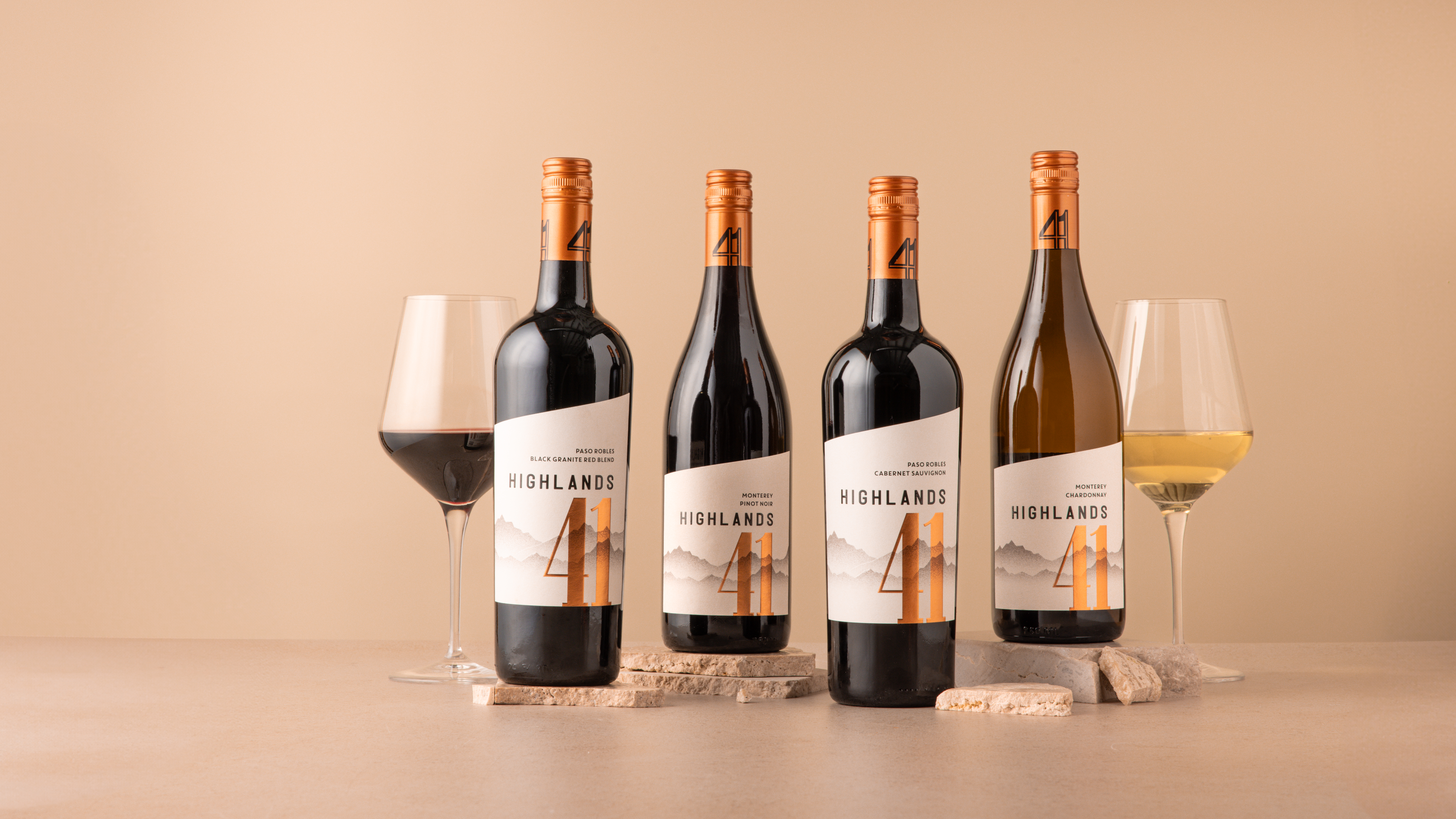
In an era where every choice impacts our planet’s future, wine lovers increasingly seek bottles that satisfy both their palate and their conscience. The intersection of exceptional taste and environmental responsibility no longer represents a compromise—it defines the cutting edge of modern winemaking. Highlands 41 stands at this intersection, proving that sustainable practices don’t just protect the environment; they create superior wines that express the true character of Paso Robles’ remarkable terroir.
Sustainability in winemaking extends far beyond organic certification or trendy marketing language. It represents a comprehensive philosophy that considers every aspect of production—from soil health and water conservation to energy usage and carbon footprint—while maintaining the uncompromising quality standards that discerning wine enthusiasts expect. Highlands 41 embraces this holistic approach, creating wines that honor both the land and the legacy of California’s Central Coast.
Paso Robles provides the perfect vineyard for sustainable winemaking innovation. This dynamic region, with its diverse microclimates and varied soil types, rewards winemakers who work in harmony with natural systems rather than against them. Highlands 41’s commitment to sustainable practices reflects not just environmental consciousness but practical recognition that healthy ecosystems produce the most expressive and age-worthy wines.
Discover how Highlands 41 transforms environmental stewardship into liquid poetry, creating wines that capture the authentic spirit of their Highway 41 origins while safeguarding these precious landscapes for future generations of adventurous wine lovers.
The Foundation of Sustainable Winemaking
Understanding True Sustainability
Sustainable winemaking encompasses interconnected practices that maintain ecological balance while producing exceptional wines. Highlands 41 approaches sustainability as a comprehensive system where soil health, water management, energy efficiency, and biodiversity work together to create optimal growing conditions for their estate vineyards.
Soil stewardship forms the cornerstone of sustainable viticulture. Highlands 41 employs cover cropping throughout their vineyard sites, planting diverse species between vine rows that prevent erosion, enhance soil structure, and provide natural nitrogen fixation. These cover crops create living carpets that support beneficial insects while protecting the Creston Highlands’ unique terroir.
Water conservation takes on critical importance in California’s Mediterranean climate. Highlands 41 utilizes precision irrigation systems that monitor soil moisture levels and deliver water directly to vine root zones, minimizing waste while ensuring optimal grape development. Drought-resistant rootstocks further reduce water requirements while maintaining wine quality.
Biodiversity enhancement creates balanced ecosystems that naturally regulate pest populations and support healthy vine growth. Highlands 41 maintains wildlife corridors throughout their properties, providing habitat for beneficial birds, insects, and other creatures that contribute to vineyard health while preserving the natural beauty that inspired the brand’s adventurous spirit.
Organic and Biodynamic Influences
Organic farming principles guide Highlands 41’s vineyard management, eliminating synthetic pesticides and fertilizers that can compromise soil health and environmental quality. Natural pest management relies on beneficial insects, companion planting, and targeted organic treatments that protect vine health without disrupting ecological balance.
Biodynamic concepts influence their approach to vineyard timing and soil preparation. Composting programs transform grape pomace and other organic materials into nutrient-rich soil amendments that enhance terroir expression while reducing waste. Lunar and seasonal timing considerations optimize harvest decisions and vineyard interventions.
Soil biology enhancement through organic matter addition and minimal tillage practices creates thriving underground ecosystems that support vine health naturally. Healthy soils produce more resilient vines that better express their specific vineyard sites while requiring fewer external inputs.
Energy Innovation and Carbon Responsibility
Solar Power Leadership
We demonstrate environmental leadership through comprehensive solar energy systems that power our winemaking operations. Our solar installations across winery facilities generate clean electricity that reduces our carbon footprint while showcasing the region’s abundant sunshine as a renewable resource. For you as a wine drinker, this means every bottle you enjoy was crafted using clean energy that preserves the environment while maintaining the pure, uncompromised flavors that define our wines.
Our energy-efficient winemaking incorporates gravity-flow design principles that minimize pumping requirements while preserving grape and wine integrity. LED lighting systems throughout our facilities reduce energy consumption while providing optimal working conditions for our winemaking staff. This gentle approach means your wine experiences less mechanical stress during production, resulting in more expressive flavors and better aging potential that enhance your drinking experience.
Our carbon footprint reduction extends to packaging choices, with lightweight glass bottles that reduce transportation impacts and sustainable cork alternatives that maintain wine quality while supporting responsible forestry practices. For wine lovers, this means you receive wines that taste exceptional while supporting future generations of winemaking—ensuring that the landscapes producing these remarkable wines remain pristine for decades to come.
Waste Reduction and Circular Economy
Our zero-waste initiatives transform potential waste streams into valuable resources that ultimately improve your wine quality. Grape pomace composting creates nutrient-rich soil amendments that enhance our vineyard terroir, while barrel recycling programs extend the useful life of oak cooperage through creative repurposing projects. This circular approach means the soils producing your grapes become richer and more expressive each vintage, creating wines with deeper complexity and more authentic terroir expression.
Our water recycling systems capture and treat winery wastewater for irrigation purposes, maximizing water efficiency while reducing environmental impact. Closed-loop systems minimize waste generation throughout the production process. For you as a wine enthusiast, this means we’re preserving the precious water resources that keep our vines healthy during drought years, ensuring consistent wine quality and protecting the future availability of the wines you love.
Our packaging optimization reduces material usage while maintaining wine protection and visual appeal. Concentrated shipping strategies minimize transportation impacts while ensuring wines reach you in optimal condition. This efficiency means your wines arrive fresher and in better condition while supporting sustainable winemaking practices that ensure future generations can enjoy the same exceptional quality and adventure-worthy experiences that define Highlands 41.
Terroir Expression Through Sustainable Practices
Enhancing Natural Character
Sustainable viticulture enhances rather than masks terroir expression by creating optimal conditions for grapes to reflect their specific vineyard sites. Highlands 41’s estate vineyards in the Creston Highlands benefit from practices that emphasize soil health and natural vine balance rather than forcing production through artificial inputs.
Elevation advantages at 1,200-1,800 feet provide natural drainage and sun exposure that sustainable practices optimize through careful canopy management and soil preparation. Temperature variation between day and night concentrates flavors naturally while sustainable irrigation maintains vine health during stress periods.
Microclimate preservation through sustainable land management maintains the unique environmental conditions that make each vineyard site distinctive. Highlands 41 protects these natural advantages through practices that work with rather than against the landscape’s inherent characteristics.
Vintage variation becomes more authentic when sustainable practices allow grapes to express annual weather patterns naturally. Rather than masking vintage character through heavy intervention, sustainable winemaking celebrates the unique story each growing season tells.
Quality Through Environmental Health
Vine health improves dramatically under sustainable management systems that support natural plant resistance to disease and environmental stress. Healthy vines produce more concentrated, complex grapes that translate directly into superior wine quality.
Flavor concentration occurs naturally when sustainable practices stress vines appropriately while maintaining overall plant health. Highlands 41’s sustainable approach yields grapes with intense flavor development and natural balance that requires minimal intervention during winemaking.
Aging potential increases when grapes develop optimal phenolic maturity through sustainable vineyard management. Wines produced from sustainably grown grapes often display better structure and longevity than conventionally produced alternatives.
Sustainable Wine Portfolio
Cabernet Sauvignon Excellence
Highlands 41 Cabernet Sauvignon exemplifies how sustainable practices enhance varietal expression. Estate-grown grapes from sustainably managed vineyards display the power and structure expected from Paso Robles Cabernet while maintaining the elegance that comes from healthy, balanced vines.
Black Granite Red Blend, our Wine Enthusiast Best Buy winner, demonstrates how sustainable viticulture creates value without compromising quality. Blend components sourced from sustainably managed estate vineyards express our individual terroir characteristics while creating harmonious integration.
Tannin development occurs naturally through sustainable canopy management and harvest timing decisions that optimize grape maturity. Highlands 41’s sustainable approach yields Cabernet Sauvignon with approachable tannins and exceptional aging potential.
White Wine Precision
Highlands 41 Chardonnay benefits from sustainable practices that preserve natural acidity while developing complex flavors. Cool climate sites managed sustainably produce Chardonnay with bright fruit character and mineral complexity that reflects the Creston Highlands terroir.
Our Highlands 41 Pinot Noir from sustainably managed cooler sites displays the elegance and complexity that make this variety so rewarding when grown in appropriate conditions. Sustainable harvest timing ensures optimal flavor development while maintaining the bright acidity essential to great Pinot Noir.
The Future of Sustainable Winemaking
Innovation and Tradition
Highlands 41 continues advancing sustainable practices through ongoing research and innovation. Climate adaptation strategies help vineyards remain productive and healthy as environmental conditions evolve, ensuring long-term sustainability for both the business and the ecosystem.
Technology integration enhances sustainable practices through precision monitoring systems that optimize resource usage while maintaining wine quality. Data-driven decisions based on soil health metrics, weather monitoring, and vine performance support increasingly refined sustainable management.
Community leadership extends Highlands 41’s sustainability impact beyond their own operations through partnerships with other Paso Robles vintners and environmental organizations. Knowledge sharing accelerates industry-wide adoption of sustainable practices.
Consumer Education and Engagement
Our transparency initiatives help wine lovers understand the connection between sustainable practices and wine quality. We provide detailed information about our sustainability programs, allowing you to make informed choices that align with your values.
Our educational experiences demonstrate sustainable practices in action, showing you how environmental stewardship enhances rather than compromises wine quality. We offer hands-on learning opportunities that build appreciation for the complexity and importance of sustainable viticulture.
Choose Sustainability, Choose Highlands 41
Sustainable Paso Robles wines from Highlands 41 prove that environmental responsibility and exceptional quality reinforce rather than compete with each other. Every bottle represents a commitment to preserving the Creston Highlands’ unique character while creating wines that honor both tradition and innovation.
Your wine choices support the kind of future you want to see—where pristine landscapes continue producing exceptional wines, where agricultural practices enhance rather than degrade environmental quality, and where adventure-seeking wine lovers can explore remarkable terroir for generations to come.
Experience the taste of sustainability with Highlands 41 wines. Shop our sustainably crafted collection today and discover how environmental stewardship creates superior wines that celebrate the true spirit of Paso Robles adventure.